Loose-Leaf Tea Starter Kit: What You Actually Need and What You Don't
Loose-leaf tea has a reputation for needing equipment. Walk into a tea shop, or scroll through a marketplace listing, and you will meet scales, tongs, clay pots, wooden trays, slow-pour kettles and strainers shaped like animals. It is easy to leave thinking a proper cup requires a full setup.
It does not. Tea needs leaves, hot water, and a way to separate the two. Everything beyond that is either genuinely useful or a nice thing to own later. Sorting the first category from the second saves money, counter space and a certain amount of quiet confusion.
Start With the Tea, Not the Toys
Put your attention on the leaves first. Fresh tea in a plain mug beats stale tea in beautiful equipment every time. A dull leaf will not improve because it steeped in clay, and no gadget compensates for a tea that has been sitting in a warehouse for three years.
For a first order, pick three or four teas across different types so you learn what you actually reach for:
- A forgiving black tea — Assam, Keemun or a Yunnan Dian Hong. These tolerate a wide range of temperatures and steep times.
- A medium-roast oolong — tieguanyin or a roasted dancong. Rounded, aromatic, hard to ruin.
- A green tea — dragon well or sencha. Less forgiving, and the one that will teach you about water temperature.
- A shou puerh or aged white — earthy, smooth, and useful when you want something without a sharp edge.
Buy small quantities. Fifty grams is enough to learn a tea, and it leaves room to reorder the one you liked. When you buy green tea or a lightly oxidized oolong, look for a harvest date and choose the most recent. Black teas and roasted oolongs are more patient.
The Short List: What You Actually Need
Four or five items cover almost everything, at least at the start.
- A kettle with temperature control. Not for elegance — for green tea. Boiling water poured onto a delicate green turns it bitter. A variable-temperature kettle is the single upgrade that changes the most cups. A stovetop kettle plus an inexpensive thermometer works too.
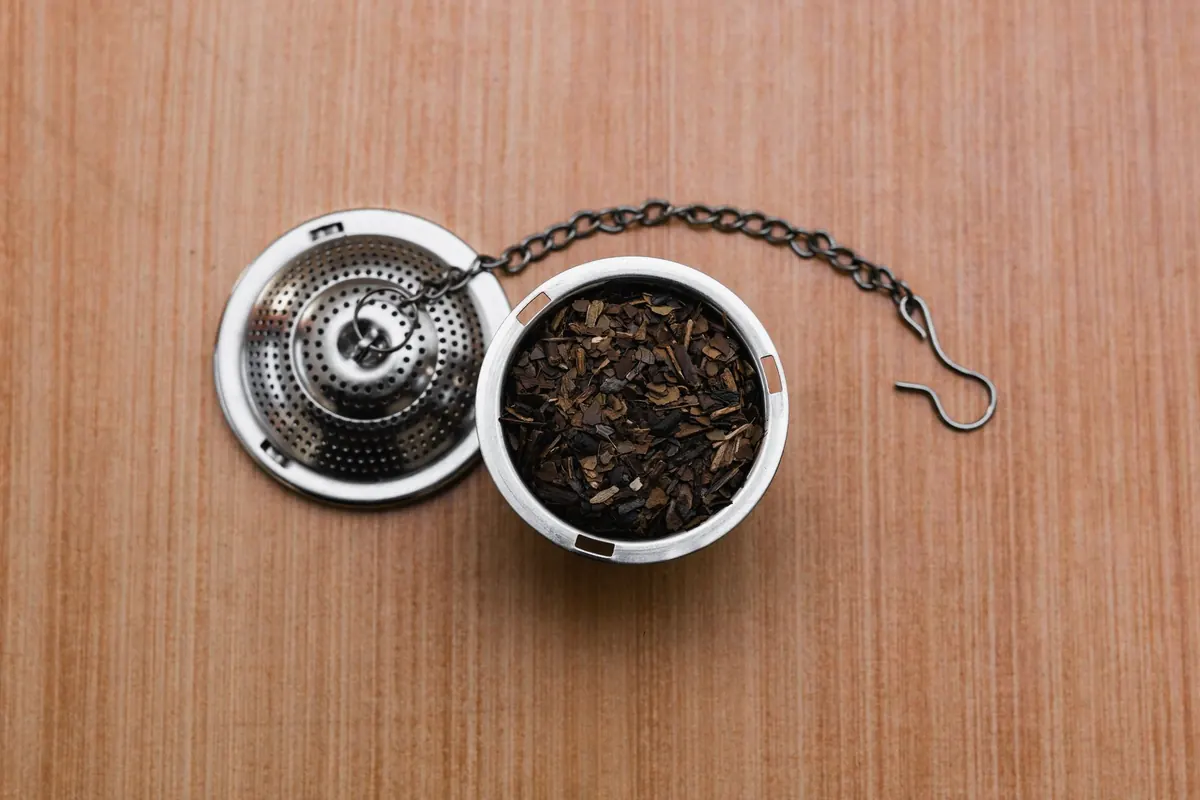
- A simple infuser. A fine-mesh basket that sits in your mug is the most versatile option. Look for one with enough room for the leaves to open; a cramped ball strainer steeps unevenly and is a nuisance to clean.
- A small digital scale. This sounds fussy and is not. A teaspoon of one tea can weigh twice what a teaspoon of another does, because leaf size varies enormously. Weighing takes five seconds and makes your results repeatable.
- A timer. Your phone is fine. Steeping by feel works once you know a tea; until then it mostly produces mystery.
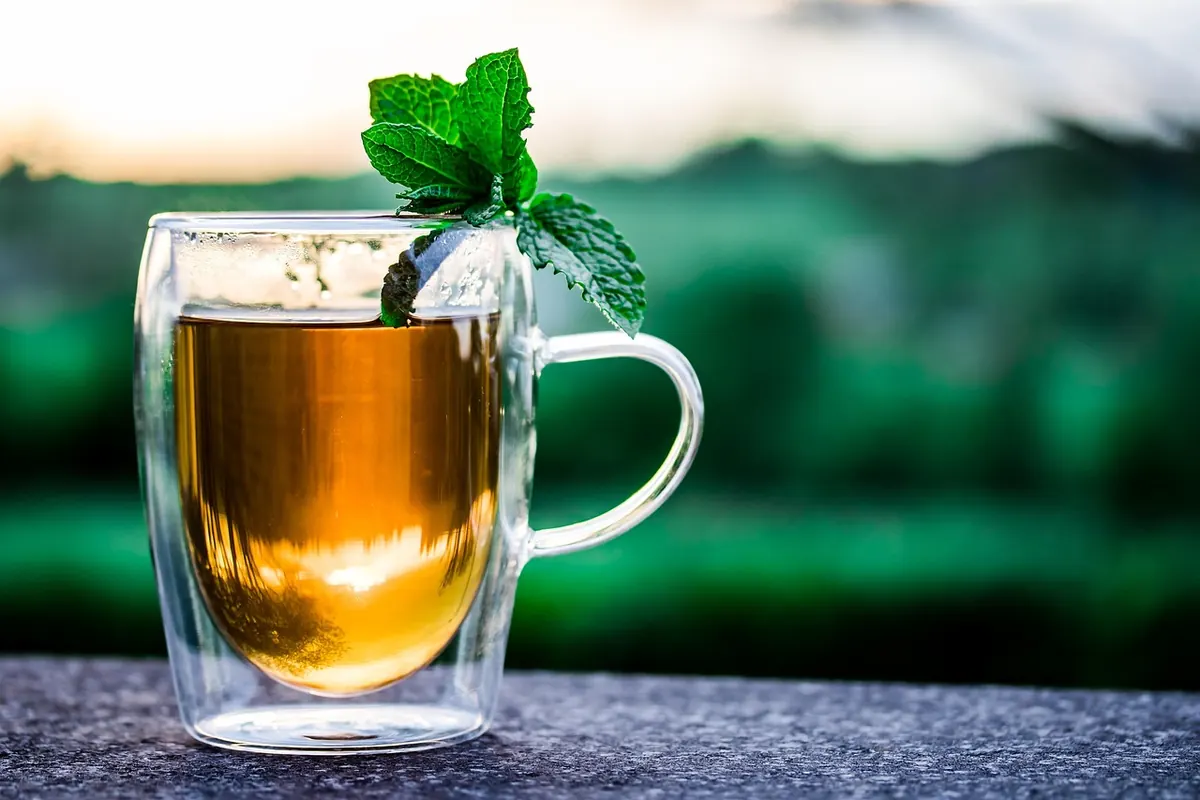
- A mug you like. Thin porcelain or glass shows flavor and aroma better than thick-walled stoneware, which holds heat but mutes the experience.
For proportions, a Western-style brew — one steep, a larger volume — generally lands around 2 to 3 grams of leaf per 200 ml of water. Gongfu brewing, with many short steeps in a small vessel, runs closer to 5 grams per 100 ml. Start in the middle, then adjust: more leaf or more time for a fuller cup, less for a gentler one.
Infuser, Teapot, or Gaiwan?
All three work. They suit different habits.
If you brew one mug at a time
A basket infuser is the answer. It is inexpensive, easy to rinse, and lets you lift the leaves out the moment the tea is ready. That last point matters more than any other piece of brewing advice: leaving leaves sitting in the water is what makes tea bitter.
If you want to taste a tea properly
A gaiwan — a small lidded bowl — costs little and does more than almost anything else in a beginner's cupboard. You add leaves, pour water, and decant into a cup or small pitcher. Short steeps let you follow a tea as it changes from the first pour to the fifth. It takes a week of burnt fingertips to learn, and then it feels natural.
If you brew for two or more
A teapot with a built-in strainer earns its place. Choose one that is easy to reach into for cleaning, and skip anything with a narrow spout that clogs.
One caution: unglazed clay pots absorb flavor. They are wonderful for dedicated use with one type of tea and confusing for everything else. Save them for later.
What You Can Skip
- Pod and capsule tea machines. They cost more per cup, limit you to one supplier, and remove the control that makes loose leaf worth drinking.
- Matched gift sets with tiny cups. Lovely to receive, rarely used if you drink from a mug at a desk.
- Tea pets, tongs, scoops and picks. Charming, optional, and best bought once you know you will keep the habit.
- A tea tray. It catches drips. A plate or a shallow bowl does the same job.
- A second thermometer. If your kettle tells you the temperature, you already have one.
- Elaborate storage systems. A few airtight tins do more than a cabinet of labeled jars.
Storage, Water, and the Unglamorous Details
Tea degrades with air, light, heat and strong smells. Keep it in an opaque, airtight container away from the stove and away from spices. Buy small amounts often rather than one large bag that goes stale. If you keep green tea for months, a sealed bag in the refrigerator is reasonable — let it come to room temperature before opening so condensation does not settle on the leaves.
Water matters more than most beginners expect. If your tap water smells of chlorine, filter it or use bottled. Otherwise, do not overthink it. Bring water to a boil, then let it cool: near boiling for black tea, puerh and roasted oolongs; noticeably cooler for green and white teas. If a tea tastes harsh, try a lower temperature before you blame the leaf.
On caffeine: tea contains it, and the amount varies by type and steep time. If you are pregnant, managing a heart condition, or taking medication that interacts with caffeine, ask a healthcare professional rather than relying on general rules of thumb.
Building the Kit Over Time
Start with tea, a kettle, an infuser, a scale and a mug. That is a complete kit, and it will carry you through months of drinking.
Then let your habits guide the next purchase. If you find yourself brewing the same oolong every morning, a small clay pot makes sense. If you enjoy comparing steeps, add a gaiwan and a small pitcher. If you drink green tea daily, better water or a fresher source of leaves will do more for your cup than any accessory.
Buy less than you think you need, replace what breaks, and spend the difference on tea. The best kit is the one you use before breakfast without thinking about it.
Photo: Lucas Oliveira / Pexels