How to Find a Local Tea Shop Anywhere: A Slow Travel Checklist
A city shows itself in small things: the bakery that opens at six, the bench where the afternoon sun lands, and, if you are lucky, a tea shop with a dented tin of oolong on the counter and a kettle that never quite stops steaming. Finding that shop takes patience, especially when you do not speak the language. But the search is part of the pleasure. Treat it as a slow-travel ritual, and you will come home with more than tea.
Before You Go: Three Searches Worth Doing
Start on your phone, but search the way a local would. A few minutes of vocabulary saves an afternoon of wandering. In Japan, 茶舗 and 茶店 usually point to a tea merchant; in Chinese-speaking cities, 茶行 tends to mean a shop that sells leaf, while 茶馆 is somewhere to sit and drink. In Korea, look for 찻집 or 다방; in Taiwan, 茶莊 often signals a family-run merchant. Learn the word for tea and the word for shop, then put them together.
Then read the photographs. You are looking for shelves, not smoothie boards: tins and caddies, a scale, a scoop, handwritten labels, a brewing counter with a kettle and a row of small cups. A shop that posts pictures of its roasting pans or a delivery of fresh leaf is telling you what it cares about. If the photos show a chalkboard listing this week’s harvest or a close-up of twisted leaves, save the address.
Third, look at the shape of the neighborhood. Tea merchants cluster where people gather—near market halls, along older commercial streets, beside temples, in Chinatowns and Little Indias, around universities with long tea traditions. Ask at your hotel, not "Where can I buy tea?" but "Where do people who live here buy tea?" The two answers are often different. In Seoul, that might mean a quiet alley off Insadong; in London, a stall inside Borough Market; in Marrakech, a shop near the spice souk that also sells teapots.
The Doorway Test
You can learn a great deal before you commit to a purchase. Stand outside for thirty seconds and take stock.
- Smell. Dry leaf, roast, jasmine, citrus peel, warm wood. If the air smells of perfume or heavy cleaner, the tea is probably not the point.
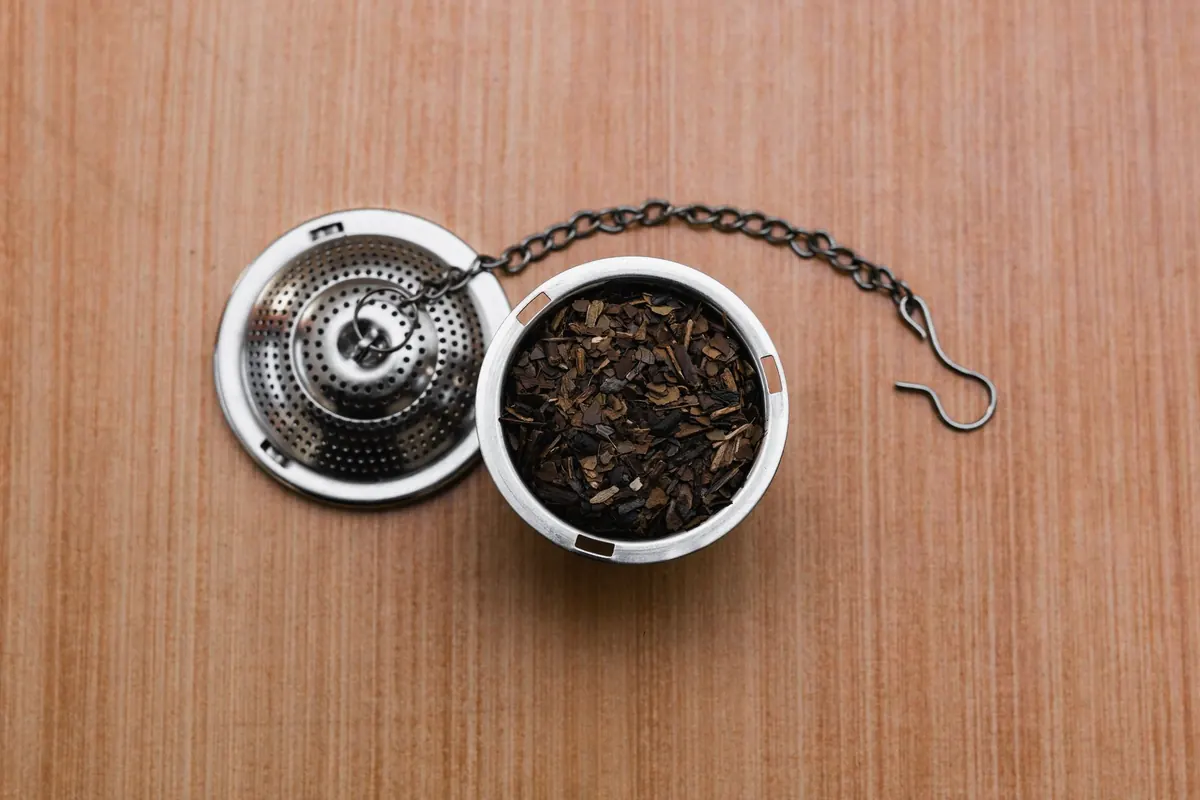
- The counter. Scales, scoops, caddies, a kettle, a sample cup. A shop that weighs and brews on site expects to talk about tea.
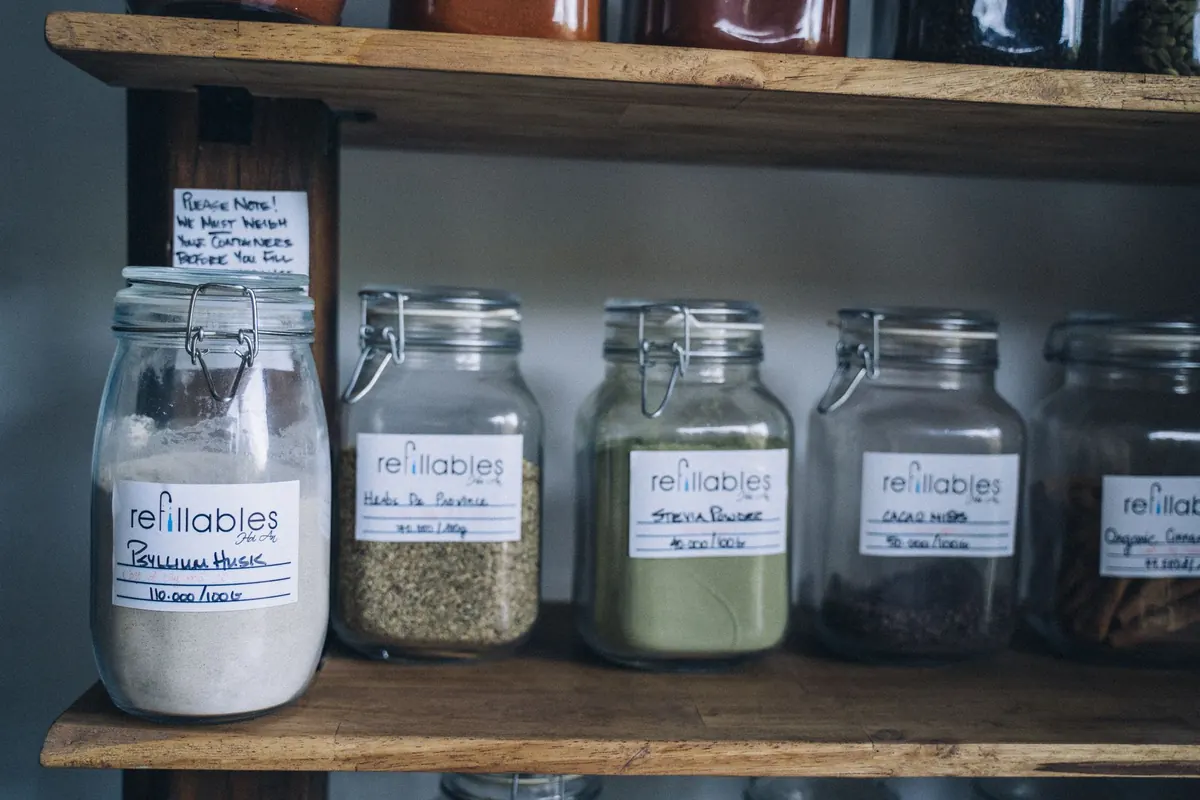
- The tins. Nearly full and labeled with origin and year, or dusty and half empty? Ask when the current batch arrived.
- The people. Someone weighing a small order. A regular leaning on the counter. Staff who look up when you walk in.
- The menu. Regions, harvests, or plain categories like green, roasted, aged. A list with no origins at all is a drink menu, not a tea shop.
If four of the five look good, go in. If one is excellent—a shelf of single-garden teas and someone eager to open a tin for you—go in anyway. Trust the small signals over the glossy sign.
Questions That Tell You More Than a Menu Will
Good questions do two things: they get you useful information, and they show you are curious rather than careless. Ask a handful, in whatever language you can manage. Pointing works. Writing a year on your palm works.
- What did you drink this morning?
- Which tea do you sell most of, and which do you drink yourself? The second answer is usually the interesting one.
- Where is this from—which region, which garden, which year?
- How should I brew it at home? Ask about water temperature, leaf quantity, and steeping time.
- When did this batch arrive?
"I have ten minutes and room for one small bag. What would you give me?"
That line is often enough to start a real conversation. Listen for the details that come with the answer: the village, the season, the year. Write them down before you forget. If the shopkeeper mentions a tea they drink on rainy days, ask for a small amount of that, too.
How to Buy Without Regret
Buy small. Fifty or a hundred grams is plenty, and many shops will sell you twenty-five. This is not the moment for a kilo of something you have never tasted—especially while you are still learning what you like.
Ask to smell before you buy, and ask to taste if there is a seat and a kettle. A shop that refuses to let you try anything is telling you something too. When you do taste, notice how it is brewed: the water, the pot, the pour. You can copy all of it at home.
Do not buy the most expensive thing out of politeness. Ask for the middle of the range, and ask why the shopkeeper likes it. If you are choosing between two, buy the one that smells like something you would happily drink on a rainy Tuesday. And if you are still unsure, ask for a sampler: many merchants will put together a few small packets so you can compare at home. A good shop would rather sell you three small bags you enjoy than one large bag you regret.
Reading the Room: Tea Shop Etiquette
Every tea culture has its own rhythm, but a few gentle habits travel well. Wait to be greeted before wandering deep into the shop. If there is a tasting counter, ask whether it is all right to sit. Do not open tins without permission—some teas are sensitive to air and light, and the shopkeeper may prefer to handle them. If you are offered a cup, accept it with both hands where that is the custom, and take a moment to smell the leaf before drinking.
Payment and conversation matter, too. In many small shops, the owner is the buyer, the roaster, and the person behind the counter. A few words of thanks in the local language go a long way. If you plan to return, ask for a business card or write down the shop’s name in the local script. And if you cannot buy anything, a polite compliment about the shop is still welcome. Curiosity is never a nuisance when it is sincere.
After the Purchase: A Ritual for Remembering
When you get home, do not bury the tea in the back of a cupboard. Brew it within the first week, while the memory of the shop is still fresh. Use the brewing advice you were given, even if it seems odd—cooler water, a shorter steep, a smaller pot. As you drink, write a few lines in a notebook: where you bought it, what the street smelled like, what the shopkeeper told you.
That small ritual turns a bag of leaves into a map. Months later, the scent of roasted oolong will bring back the doorway, the dented tin, the kettle that never quite stopped steaming. You will have found more than a local tea shop. You will have found a way to bring a little of that city home.
Photo: Anna Tarazevich / Pexels