A Spring Tea Menu: 6 Floral and Grassy Teas to Welcome the Season
Spring is the one season when the tea calendar moves faster than the weather. Gardens in Zhejiang pick their first Longjing buds in late March, Darjeeling sends its first flush down the mountain in April, and Japanese growers steam shincha within days of plucking. What arrives in your cup is green in the truest sense: bright, vegetal, sometimes a little raw, and often floral in a way that fades by summer.
A spring menu is less about chasing six new favorites than about tasting the season while it lasts. The six teas below are worth brewing side by side, ideally over a couple of afternoons, with a notebook and something small to eat nearby.
How to Get the Most From Young Teas
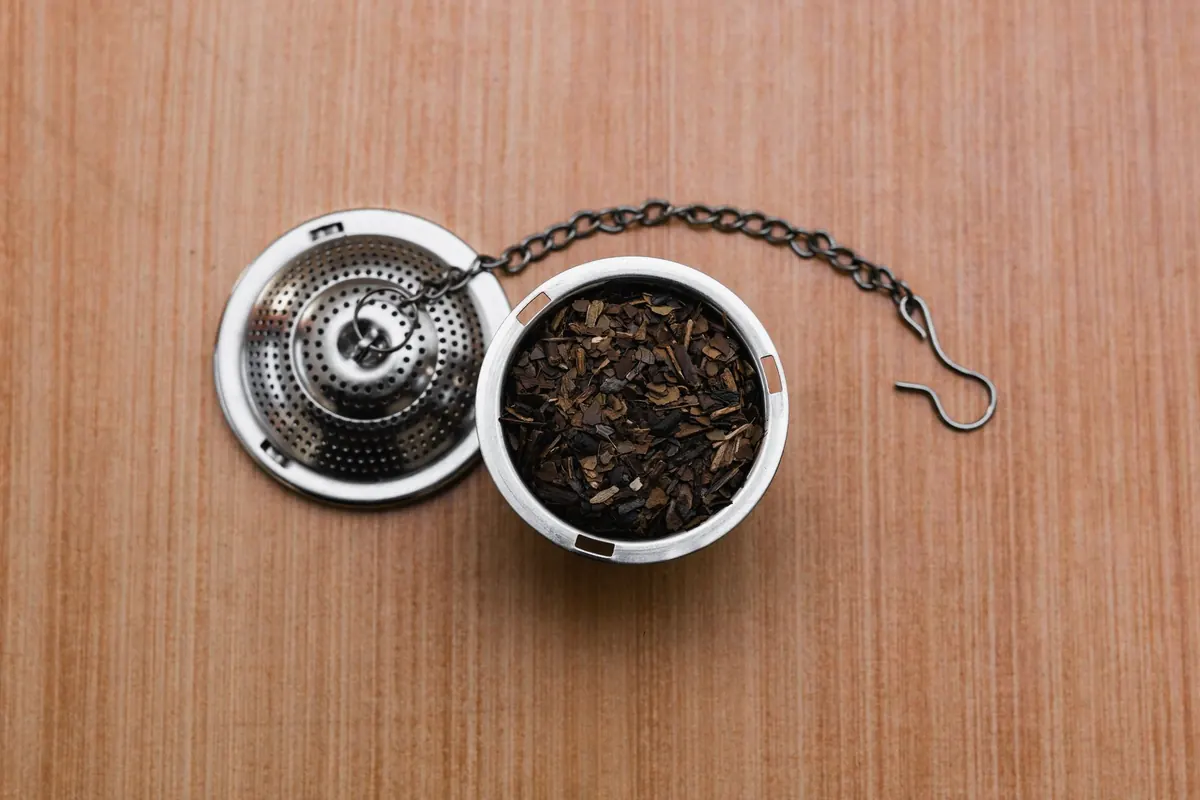
Spring teas are delicate, and small choices change them noticeably. Use about three grams of leaf per 150 ml of water — a rounded teaspoon for most greens, a heaping one for fluffy whites. Let the kettle cool: 70–80°C (160–175°F) for green tea, 80–85°C for white, 85–90°C for a light oolong and first flush Darjeeling. Steep short, thirty seconds to a minute, and taste before you decide it needs longer.
Two habits help more than any gadget. First, smell the wet leaf after you pour off the water; the aroma in the gaiwan lid often tells you what the liquor will do. Second, always brew a second round. Spring teas frequently show their best face on the second or third steep, when the leaf has opened and the astringency has settled.
The Grassy Side of the Menu
1. First Flush Darjeeling
The first pick of the year in Darjeeling is barely a black tea at all. The liquor is pale gold, brisk, and lightly astringent, with a muscatel note and a green, almost sappy edge. It responds well to a slightly cooler brew than you would use for a second flush: 85°C, two minutes, no milk. Drink it in the morning with toast and honey, or in the afternoon when you want something with more lift than a green.
2. Longjing (Dragon Well)
Pan-fired in a wok, Longjing has a flat, jade-colored leaf and a flavor of toasted chestnut, sweet corn, and fresh cut grass. Pre-Qingming lots — picked before the early April festival — are the most prized and the most expensive; later picks are softer and more forgiving. Brew it in a glass so you can watch the leaves settle, and keep the water at 75°C. A handful of toasted almonds alongside is enough.
3. Sencha, or Shincha If You Can Find It
Japanese greens are steamed rather than fired, which gives them a marine, seaweed-like brightness and a lingering umami sweetness. Shincha, the first harvest, is more vivid and more perishable — buy small amounts and drink them within a few weeks of opening. Water at 70°C, forty-five seconds. A plain rice cracker or a piece of salted cucumber keeps the pairing clean.
The Floral Side of the Menu
4. Bao Zhong (Pouchong)
This lightly oxidized oolong from northern Taiwan sits between green tea and oolong, with a lilac-and-cream aroma that smells like a garden after rain. It is the most forgiving tea on this list: even a distracted pour tastes good. Use 90°C water, steep for one minute, and expect a soft, buttery finish. Shortbread is the obvious companion, and obvious for a reason.
5. Silver Needle White Tea
Made only from unopened buds, Silver Needle is pale, silky, and subtle — honeysuckle, dried hay, a hint of melon. It can seem thin if you brew it like a black tea, so give it more leaf and more time: 85°C, two to three minutes, or a long, gentle steep in a thermos. Serve it with something equally quiet. Sliced strawberries work; so does a plain butter cookie.
6. Jasmine Pearls
Green tea scented with fresh jasmine blossoms, hand-rolled into small pearls that unfurl over several infusions. Good versions smell of flowers rather than perfume, and the taste stays grassy underneath. Brew at 80°C for a minute, then add ten seconds each round; you can usually get four or five steeps. It is the friendliest tea here for people who think they do not like green tea.
Simple Pairings for a Spring Table
- First flush Darjeeling: buttered toast, apricot jam, mild cheddar.
- Longjing: toasted almonds, steamed edamame, plain rice.
- Sencha: cucumber sandwiches, salted rice crackers, lightly seared fish.
- Bao Zhong: shortbread, madeleines, a spoonful of honey.
- Silver Needle: strawberries, melon, fresh goat cheese.
- Jasmine Pearls: mochi, lychee, coconut macaroons.
Keep the food plainer than the tea. Strong flavors — garlic, chili, blue cheese — will bury a young green in one bite.
Building a Tasting Flight
- Pick three teas, not six. One grassy, one floral, one in between.
- Weigh or measure the leaf before you start, so the comparison is fair.
- Brew them in the same style of vessel — three small gaiwans or three glasses.
- Taste left to right, lightest to strongest, and rinse your cup with hot water between teas.
- Write one line per tea: aroma, first taste, finish, whether you would buy it again.
- Re-steep everything and taste again. The second round is often the real review.
Storing What You Buy
Spring tea is fresh food, and it ages faster than most tea drinkers expect. Keep it in a small, airtight tin away from light, heat, and the spice drawer, and buy amounts you will finish in two or three months rather than a year's supply. If you want to hold onto a favorite green or shincha a little longer, an unopened packet in the freezer works, provided you let it come to room temperature before opening.
Start with one tea this week — whichever sounds most like the weather outside your window — and brew it twice. That second cup is where spring usually shows up.
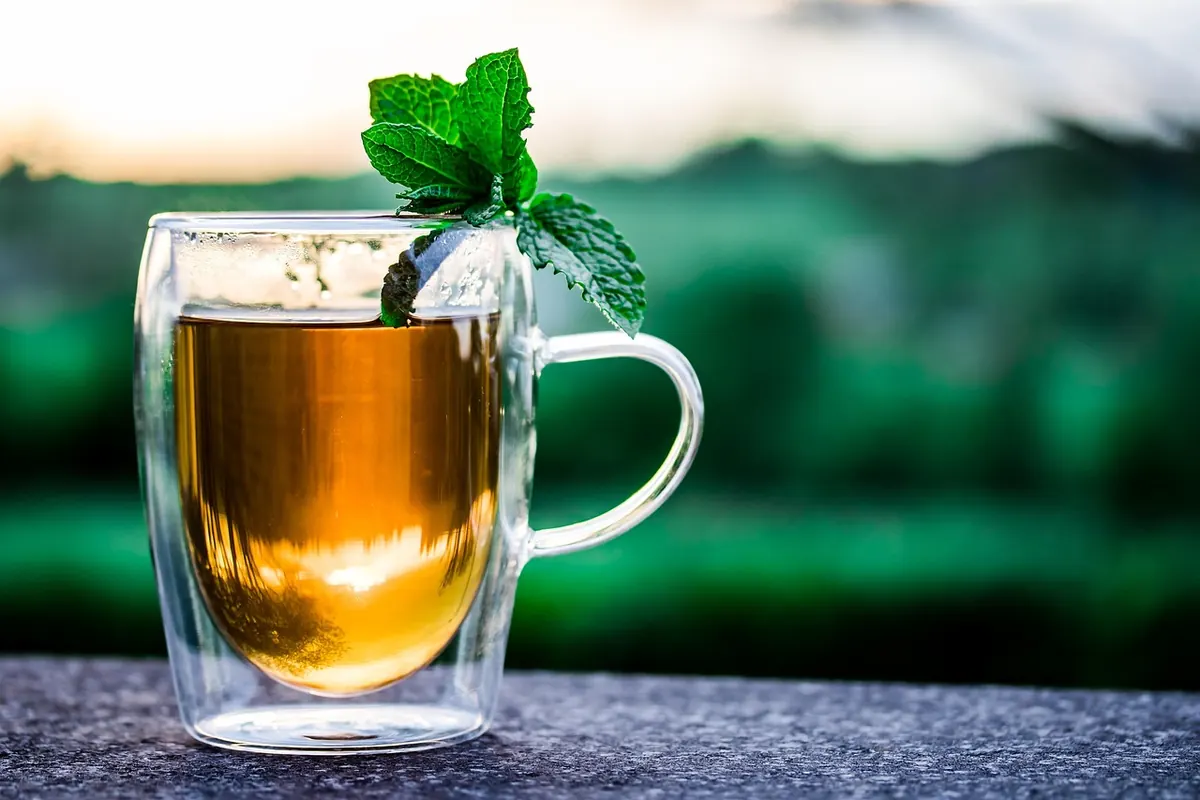
Photo: FnBTV / Pixabay